
Wearing Compression Stockings After Surgery: Everything You Need to Know
Feb 27th, 2021
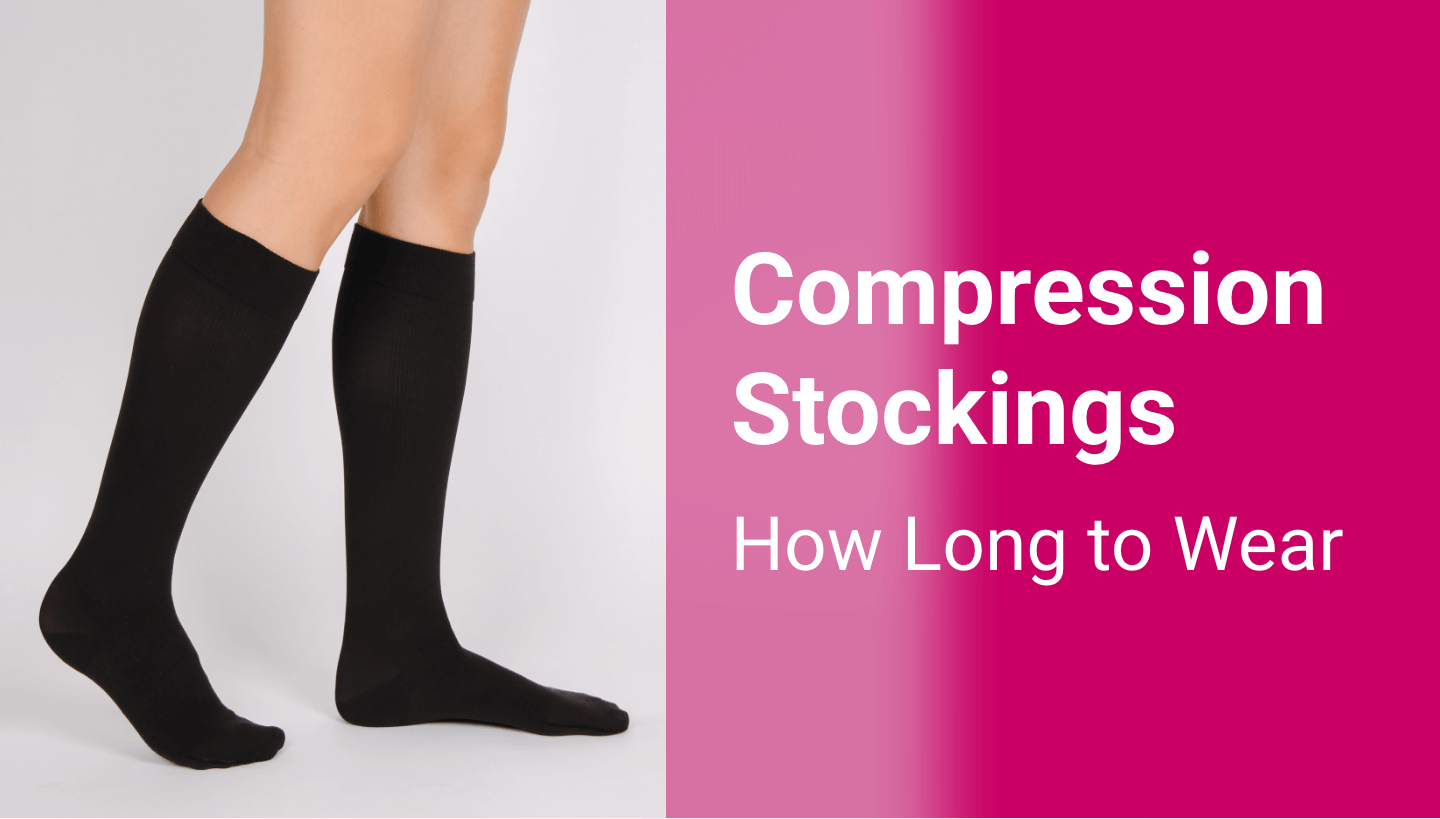
How Long Should You Wear Compression Stockings After Surgery?
Your doctor probably talked about compression socks after surgery and said you need to wear them. Compression stockings are an important part of the healing process because they help your blood circulate properly, which keeps swelling down and reduces the risk of blood clots. They’re medical garments that support your recovery comfort while your body heals.
At MastectomyShop, we work with many women after breast surgery, mastectomy, and reconstruction. And we’ve seen how much the right compression helps with recovery.
Why Compression Socks Are Important After Surgery
After surgery, you rest more and move less, and that can cause blood to pool in your legs and form clots that can travel to your lungs or heart. And that’s dangerous.
Compression socks post-surgery apply gentle pressure to your legs to push blood back up toward your heart, so even if you’re sitting or lying down, your circulation stays.
They also help with the swelling that comes from your body holding onto fluid after surgery. Compression helps drain the excess fluid through your lymphatic system, which is why doctors recommend them for post-op recovery and why we carry them at MastectomyShop.
How Compression Stockings Work to Improve Circulation
Support stockings after surgery are like a gentle massage that moves from your ankle up your calf. They’re strongest at the ankle and relax gradually as they go up your leg to encourage blood to flow upward.
Muscle contractions are what your veins rely on to pump your blood back to your heart. However, after surgery, you're inactive after surgery, which means those muscles aren't working as hard, so compression stockings do some of that work for you.
This way, your veins are kept from stretching out and blood can’t sit as long, so your risk of deep vein thrombosis, a blood clot that forms in deep veins, usually in the legs, is lower.
How Long Should You Wear Compression Socks After Surgery?
Most doctors recommend wearing compression socks after an operation for at least one to two weeks. But the exact timeline depends on your surgery type, health, and how mobile you are.
For minor outpatient procedures, you might only need them for a few days, but major surgeries like a mastectomy, hip replacement, or abdominal surgery mean you might need them for two to six weeks.
Typical duration based on surgery type
If you’ve had breast surgery patients, your doctor will likely recommend you wear them for one to three weeks, but if you’ve had lymph nodes removed, they might extend the time to help manage lymphedema risk.
Orthopedic surgeries like knee or hip replacements usually require four to six weeks of pressure socks after the operation, and two to four weeks for abdominal surgeries.
Tips for safe removal
Don't stop wearing them just because you feel better. How long to wear compression socks after surgery is up to your doctor. When they give you the okay to stop, do it gradually. Wear them during the day for a few more days, and then only at night before you stop completely.
When you take them off, watch for swelling, and put the stockings back on if they start swelling again, and call your doctor. Never remove compression stockings if you're still on bed rest or have very limited movement.
What Happens If You Don't Wear Them?
Not wearing compression socks post-surgery increases your risk of DVT, since blood clots can form in your legs within days of surgery. If a clot breaks loose and travels to your lungs, it becomes a pulmonary embolism, which is life-threatening.
You'll also deal with more swelling, since fluid builds up in your ankles and calves and makes them uncomfortable and tight. This can slow down your overall recovery.
Some patients develop varicose veins or chronic venous insufficiency if they skip compression during recovery. These conditions cause long-term leg pain and visible vein damage.
Choosing the Right Compression Level & Fit
Compression socks after surgery come in different pressure levels, which are measured in millimeters of mercury. Most post-op patients need a moderate level of compression. Your doctor will tell you what you need.
The fit is just as important as the pressure. Too tight, and they'll cut off circulation or cause discomfort. Too loose, and they won't work. Measure your ankle, calf, and leg length before ordering. We offer a size calculator on our site to help you get it right.
At MastectomyShop, we carry thigh-high, knee-high, and full-leg compression stockings. We also stock compression sleeves and vests for upper body surgeries. Our certified fitters can walk you through sizing and selection by phone or online chat.
The American Cancer Society states that you should use properly fitted compression garments to manage lymphedema and support recovery after surgery.
Your Recovery Matters to Us
Give your body the right support while it heals by using compression socks as directed by your doctor. They help manage swelling and improve circulation, so recovery’s a little easier.
At MastectomyShop, we’ve been helping women get through post-surgical recovery for more than 30 years. We know there’s a lot to keep track of after surgery, and we want to make things simpler for you.
If you’re not sure which style or size is right for you, contact us so our certified mastectomy fitters can guide you. Whether this is your first pair or you’re replacing an older set, we’ll walk you through your options and help you find what works best for your specific situation.
FAQs About Compression Stockings After Surgery
How long should you wear compression socks after surgery?
It depends on the type of surgery, but it’s one to six weeks in most cases. Your doctor will give you more specific instructions, so don't stop without their okay.
Can I sleep with compression stockings on?
If that’s what your doctor tells you to do, then yes. A lot of patients wear compression stockings around the clock for the first few days after surgery and then just during the day.
What if my legs feel tight or itchy while wearing them?
It’s normal for them to feel tight because that’s how the compression works, but if they're cutting into your skin or causing pain, they may be too tight. If the fabric irritates your skin, then you might experience itchiness.
Do I need to wear them on both legs?
Usually, yes. Even if the surgery only involved one leg, wearing the socks on both legs helps balance your circulation. That being said, your doctor might make certain exceptions.
How do I clean and maintain compression socks?
Wash them by hand with cool water and mild detergent. Lay flat or hang to dry. Don't wring them out or use a dryer because you’ll break down the elastic.