
Compression Arm Sleeves Benefits That You Need to Know
Sep 9th, 2020
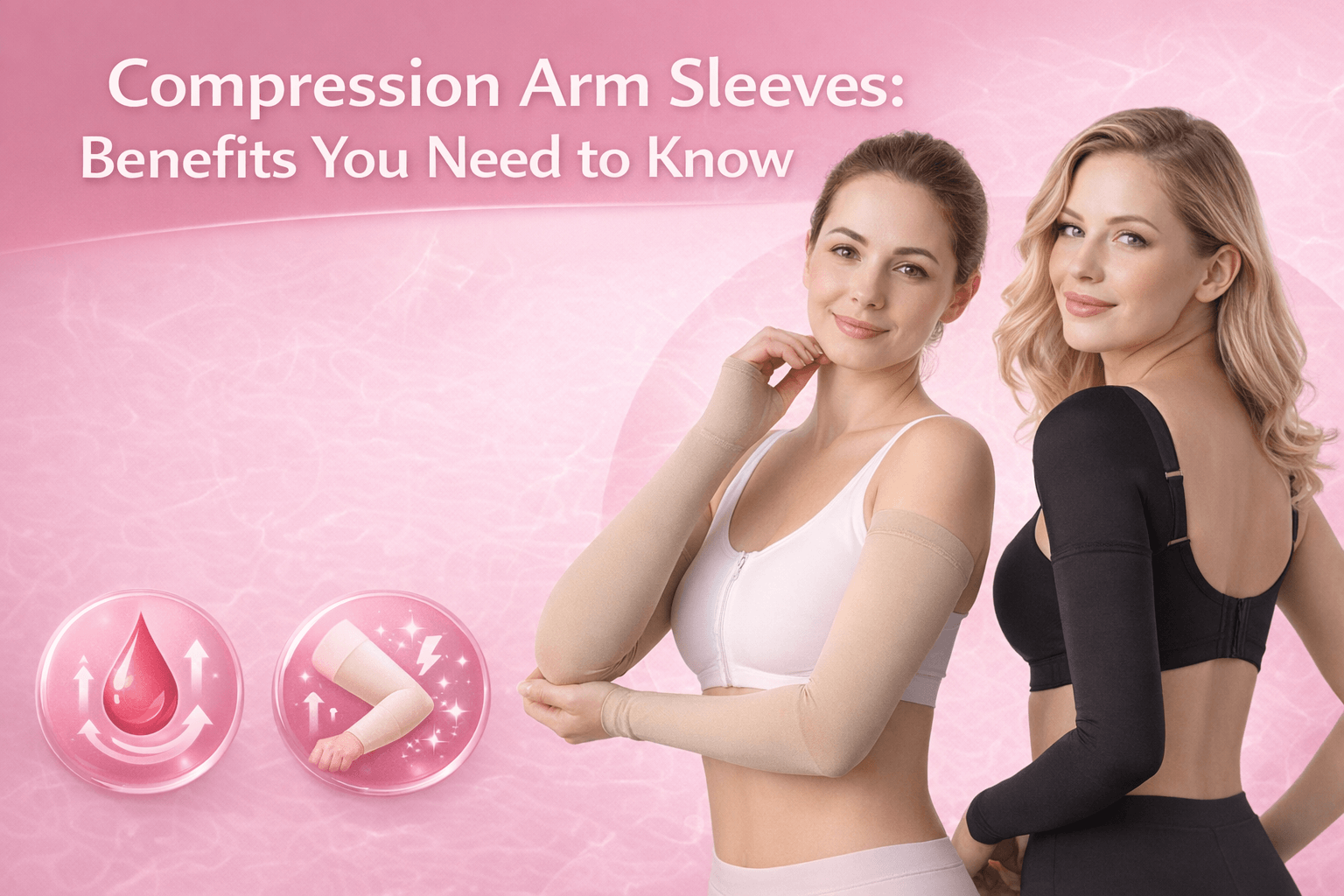
Medical-grade compression arm sleeves put graduated pressure on your arm to keep fluid moving through your lymphatic system properly. A lot of women who’ve had breast surgery use them because they help with arm discomfort.
But compression arm sleeves’ benefits aren’t just about comfort; they help prevent fluid buildup and speed up healing, plus they protect your arm if you do physical activity.
What Are Compression Arm Sleeves?
Compression arm sleeves are fitted garments, and they stretch from your wrist to your upper arm and apply gentle, graduated pressure that's tightest at your wrist and gradually decreases toward your shoulder, so they encourage proper fluid drainage and blood flow.
Medical compression sleeves aren’t the same as athletic ones because they meet specific pressure standards measured in millimeters of mercury (mmHg) that range from 15-20 mmHg for mild support up to 30-40 mmHg for serious lymphedema management.
Mastectomy Shop has these sleeves in several fabric options you can choose from; some are softer and better for sensitive skin, and we have others that are specifically for handling sweat and movement.
How Compression Sleeves Work
Your lymphatic system needs muscle movement and vessel contractions to drain fluid, but breast surgery and radiation can make that difficult, so a lot of women use compression sleeves because they create external pressure to push the process along.
The pressure decreases as they move up your arm to push fluid towards your heart so it doesn’t pool in your hand or forearm. It keeps the pressure throughout your day, even when you’re not moving.
Key Benefits of Compression Arm Sleeves
Swelling and lymphedema management
Lymphedema arm sleeve benefits include less swelling, and they make it easier to move about. The Lymphatic Education & Research Network talks about how important compression therapy is when it comes to lymphedema. Starting compression early can even help keep temporary swelling from becoming chronic lymphedema.
Improved circulation
The benefits of compression sleeves have to do with your circulatory system, too, because blood vessels work more efficiently to move blood (and oxygen) up your arm, and that means faster healing. Your tissues get the nutrients they need, and metabolic waste products get carried away. The Mayo Clinic even says that compression garments can reduce the risk of blood clots when you’ve got reduced mobility.
Post-surgical recovery support
Medical compression sleeves can be crucial after breast surgery because the pressure reduces bruising and helps keep scar tissue from forming, not to mention they help deal with pain. Your surgeon might want you to start compression a few days after your procedure, but every situation’s different. Some women wear sleeves for a few months, and others need them more long-term because of lymph node removal or radiation.
Who Should Wear Compression Arm Sleeves?
Breast cancer survivors are at the highest risk for arm lymphedema, especially after lymph node removal, so your oncology team will probably recommend compression if you've had multiple nodes removed or had radiation on your underarm area.
They’re good for air travel, too, since cabin pressure changes and can trigger swelling even years after surgery, so a lot of doctors will tell you to wear sleeves when you fly, just in case.
If you’re an athlete or lead an active lifestyle, use an arm compression sleeve for swelling during workouts to protect you from muscle fatigue and give you joint stability during repetitive movements.
If you have circulation issues or your job requires an extended arm position, compression arm sleeves’ benefits could be for you, too.
How to Choose the Right Compression Level
Your doctor should prescribe your compression level because it depends on how bad your swelling is, the condition of your skin, and your daily activities.
Light compression (15-20 mmHg) is good for prevention and mild swelling. It works for air travel, light exercise, or early post-surgery phases, and it won’t restrict your movements.
Moderate compression (20-30 mmHg) is for diagnosed lymphedema and noticeable swelling, and this is where a lot of post-mastectomy patients start. It should feel firm, but it shouldn’t hurt or make you feel numb.
Firm compression (30-40 mmHg) treats severe lymphedema and requires aggressive management. These feel very tight and usually need professional fitting. Don't start at this level without medical guidance.
You need accurate arm measurements to find the right lymphedema compression sleeve, and the fitters at Mastectomy Shop can help you figure out your size based on the measurements at different points along your arm. The wrong size compromises the benefits of compression sleeves.
When Not to Wear Compression Sleeves
Don’t use compression sleeves if you have an active skin infection or open wounds, or if you have severe arterial disease, because the pressure can make things worse and delay your healing.
If you have peripheral neuropathy, talk to your doctor first. Reduced sensation makes it harder to notice if your sleeve fits too tightly or is causing skin damage.
Take your sleeve off if you experience tingling, numbness, or if the color of your fingers changes. Those are all signs that the compression is too tight or the fit is wrong.
While there are many benefits of compression sleeves, you shouldn’t use compression therapy if you suffer from certain cardiac conditions, either, so be sure to talk to your cardiologist before using any new compression garments if you have heart failure or similar diagnoses.
For more information, contact us to learn about compression products and other post-surgery support.
FAQ
What are compression arm sleeves used for?
To provide gentle pressure that helps your lymphatic system move fluid the way it’s supposed to, which can make your arm feel lighter and more comfortable, and control swelling.
Do compression sleeves help with lymphedema?
Yes, they’re one of the main tools for managing lymphedema. Wearing them regularly can keep swelling from getting worse and help you manage everyday activities.
How long should I wear a compression sleeve?
A lot of doctors will tell you to wear them during the day, around 12 to 16 hours, and take them off at night.
Can I wear a compression sleeve all day?
As long as everything fits right, yes, but pay attention to how your arm feels and take it off it gets uncomfortable or irritates your skin. Don’t wear it if it makes your fingers tingle. If you notice any of those problems, check the fit.
How do I choose the right compression level?
Your doctor will recommend a compression level based on your swelling, starting lighter for prevention and going stronger if your lymphedema’s more advanced.