
-

-
-

-


-

 $134.99 - $264.98
-

 $25.00
-

-

 $19.99
-
 $125.00 - $250.00
-

-

-

 $122.00

Non-Silicone Prosthesis
What are non-silicone breast forms?
A non-silicone breast form is a lightweight option usually made from foam, fiberfill, or textile materials. Shoppers often choose these styles when they want less weight, a cooler feel, or a gentle secondary form.
Most foam styles are worn inside post-mastectomy bras. Attachables are a separate category, so check the product details before ordering.
Why Choose Foam Breast Forms Over Silicone?
Weight is the main reason. A foam breast form carries a fraction of the load of silicone, which takes pressure off the chest wall, shoulders, and bra straps across a long day. Foam and textile materials also breathe, so they stay cooler against skin that is sensitive, irritated, or still settling after surgery.
Cost is the other factor, since many foam and fiberfill styles sell for well under the price of a silicone prosthesis, and care is simple because most can be hand-washed and air-dried at home. Weighted silicone forms still win on natural drape and movement, so plenty of women own both rather than choosing between them.
When to Wear a Non-Silicone Breast Prosthesis
The first weeks after surgery are the most common starting point, when the chest is tender and any extra weight feels like too much. Foam and fiberfill styles also make sense for sleeping and lounging, where a full-weight form is more than you need. Travel and exercise are a third case, since a lighter form packs flat and moves less. Many women keep one as a second form, reaching for it on hot days or long flights while a silicone form handles work and evenings.
Which type usually fits best?
| If you want... | Start here |
|---|---|
| Early comfort or sleep | Softie, puff, or textile styles |
| Everyday light wear | Structured foam forms |
| Warm weather, exercise, or pool time | Active or swim-friendly options |
Also, check whether the form is weighted or unweighted and whether it is symmetrical or made for the left or right side. Our size charts can help when you are matching coverage and bra pocket fit.
Types of Non-Silicone Breast Forms
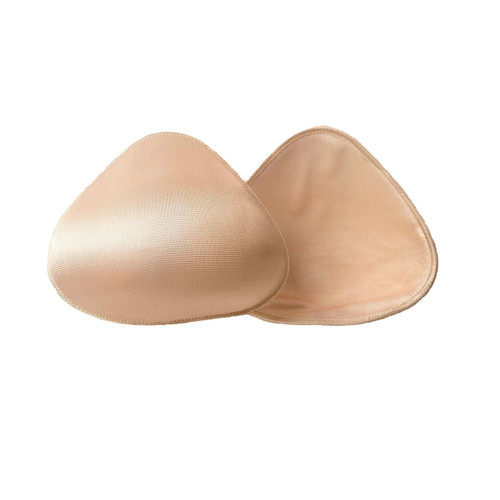
Four constructions cover most of this category. Foam forms are structured and hold their shape inside a pocketed bra, which makes them the closest lightweight match to an everyday form.
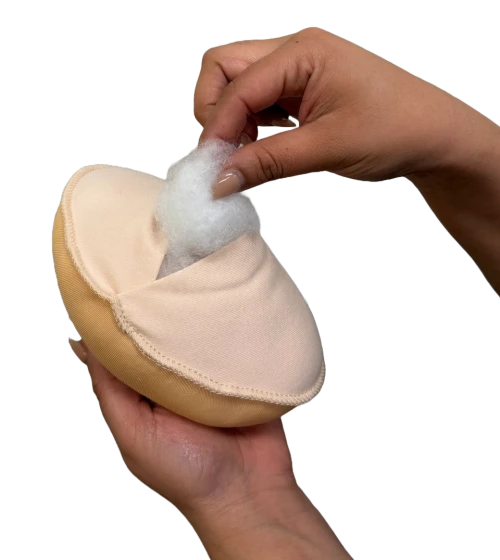
Fiberfill puff forms are soft and adjustable, so you can add or remove filling as swelling changes. Weighted foam forms put a small amount of weight back for a more natural drape without the full load of silicone. Textile and fabric forms are the gentlest of the group and sit well against healing or radiated skin.
What should you pair with your form?
A secure fit usually starts with the right pocket. Shop surgery recovery wear for gentler dressing, mastectomy swimwear for water-friendly pairings, or shop by brand if you already know the line you prefer.
Frequently Asked Question on Non-Silicone Prosthesis
1. What is a non-silicone breast prosthesis?
It is a lightweight breast form usually made from foam, fiberfill, or textile materials.
2. Are non-silicone breast forms the same as softies?
Softies are one type of non-silicone form, but not every non-silicone style is a softie.
3. Can foam breast forms be worn right after surgery?
Many shoppers use soft post-surgery styles early on, but timing should follow your surgeon or care team's guidance.
4. Can I swim or exercise with a foam breast prosthesis?
Some styles are made for activity or swimming, while others are better for leisure wear only.
5. Do I need a pocketed bra for foam breast forms?
Usually, yes, because pocketed bras help hold the form more securely in place.
6. What’s the difference between foam, fiberfill, and textile breast forms?
Foam is structured and light, fiberfill is softer and cushier, and textile styles may feel gentler or more adjustable.
7. How do I choose symmetric vs left/right?
Symmetric forms can work on either side, while left/right styles add side-specific shaping.
8. How do I clean a non-silicone breast form?
Follow the product's instructions, but many foam styles are gentle to hand-wash and air-dry.
9. What is the difference between foam and silicone breast forms?
Foam is lighter, cooler, and more breathable. Silicone matches natural breast weight and movement, which suits everyday wear, while foam suits recovery, sleep, travel, and warm weather.
10. How long do foam breast forms last?
Around six months of regular wear is typical, compared with roughly two years for silicone. Replace yours when the shape flattens, or the form stops filling the bra pocket evenly.
11. Are non-silicone breast prostheses covered by insurance?
Some plans and Medicare cover an external breast prosthesis with a prescription, though the rules vary, so confirm with your insurer before ordering. Insurance billing is handled in person at our Margate, Florida location rather than for online orders.
Need help choosing a lighter form? Call 877-413-2272 or use our contact page for fitter support.